The Inner Close of the Cathedral Walk
/Thursday 23rd July 2026
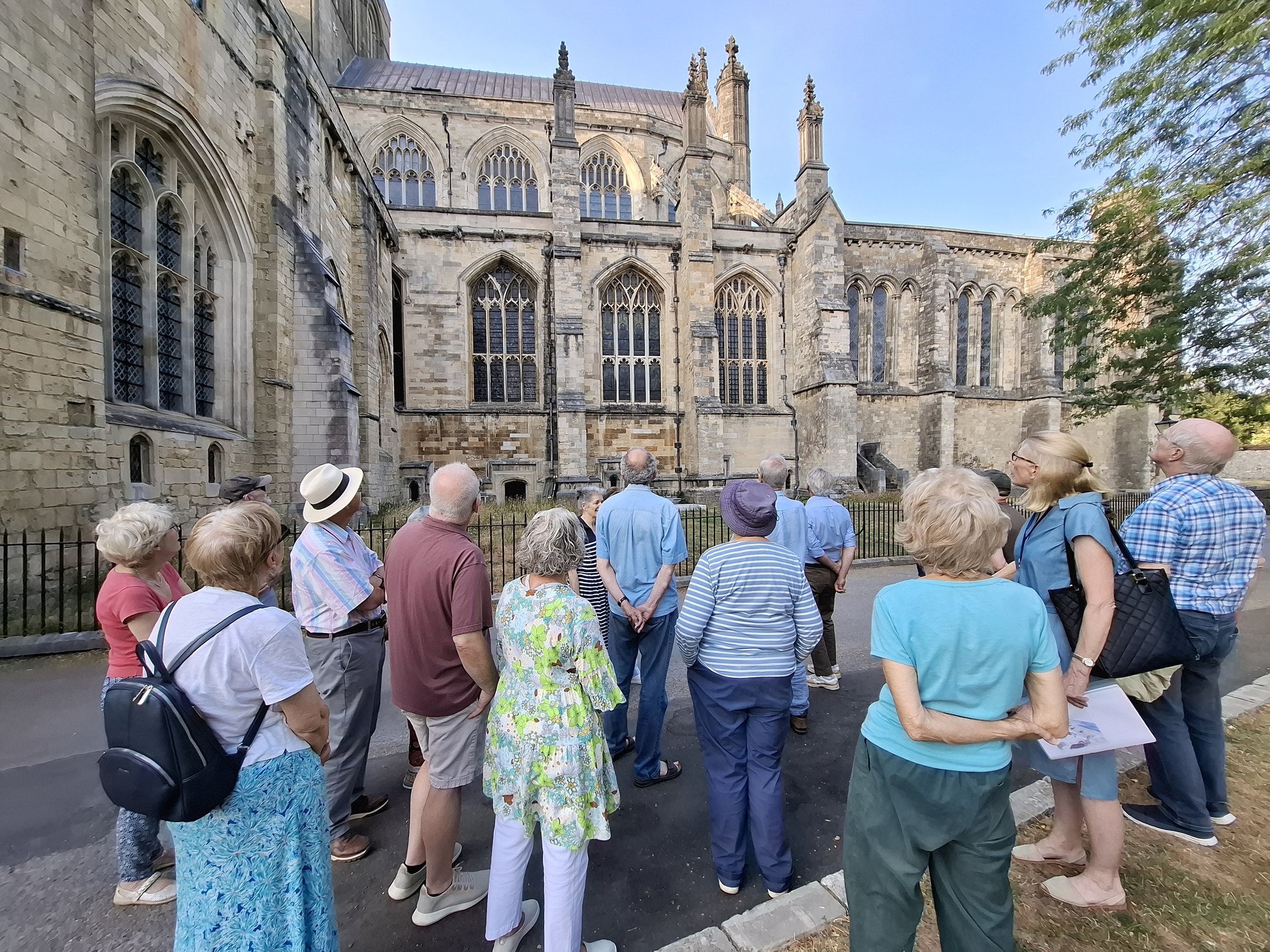
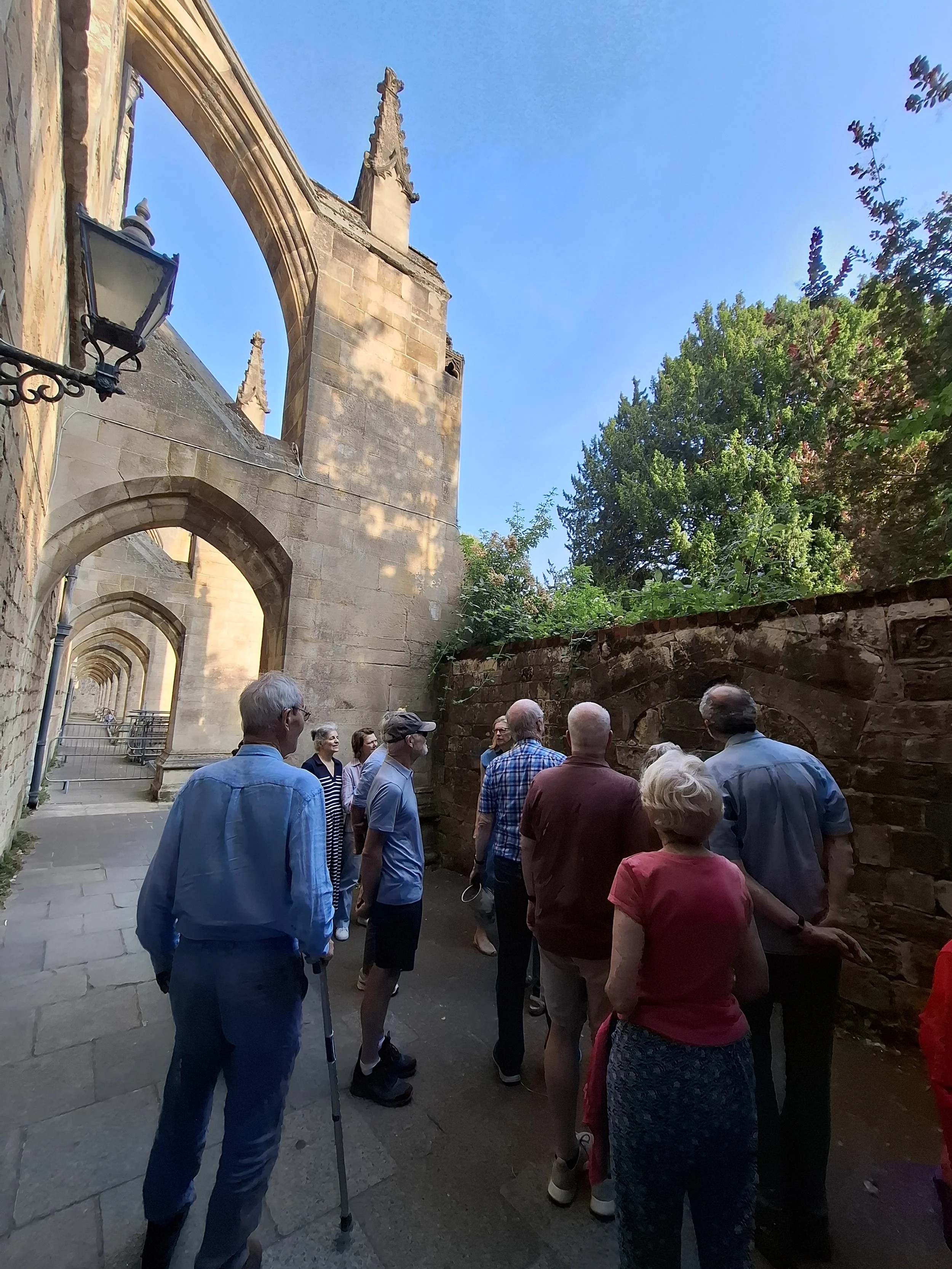
Sue de Salis gave us a fascinating, well researched tour of the Inner Close, enlivened by amusing anecdotes, such as Charles II's stays in the Deanery with Nell Gwynne ensconced in an adjacent lean-to property.
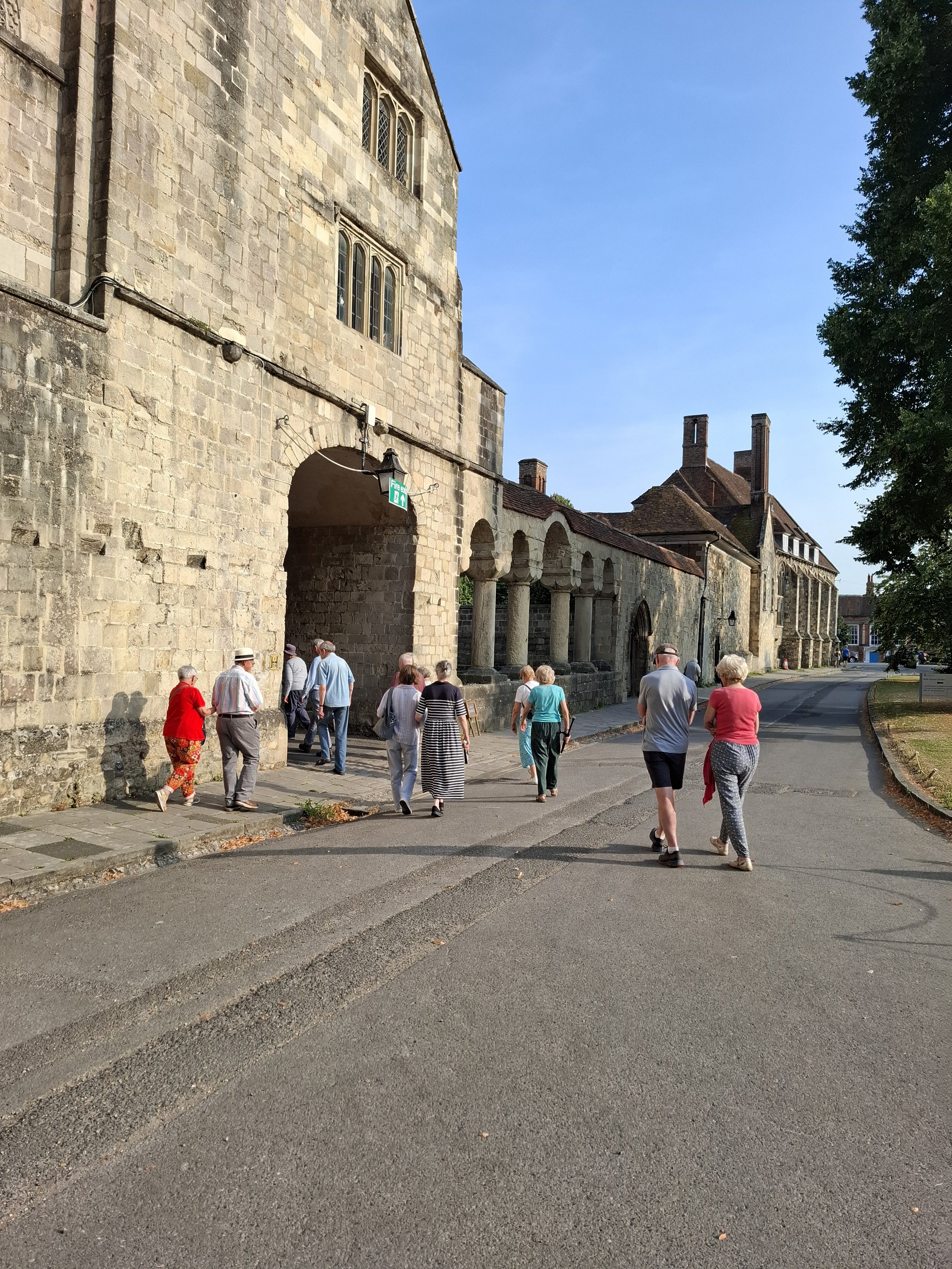
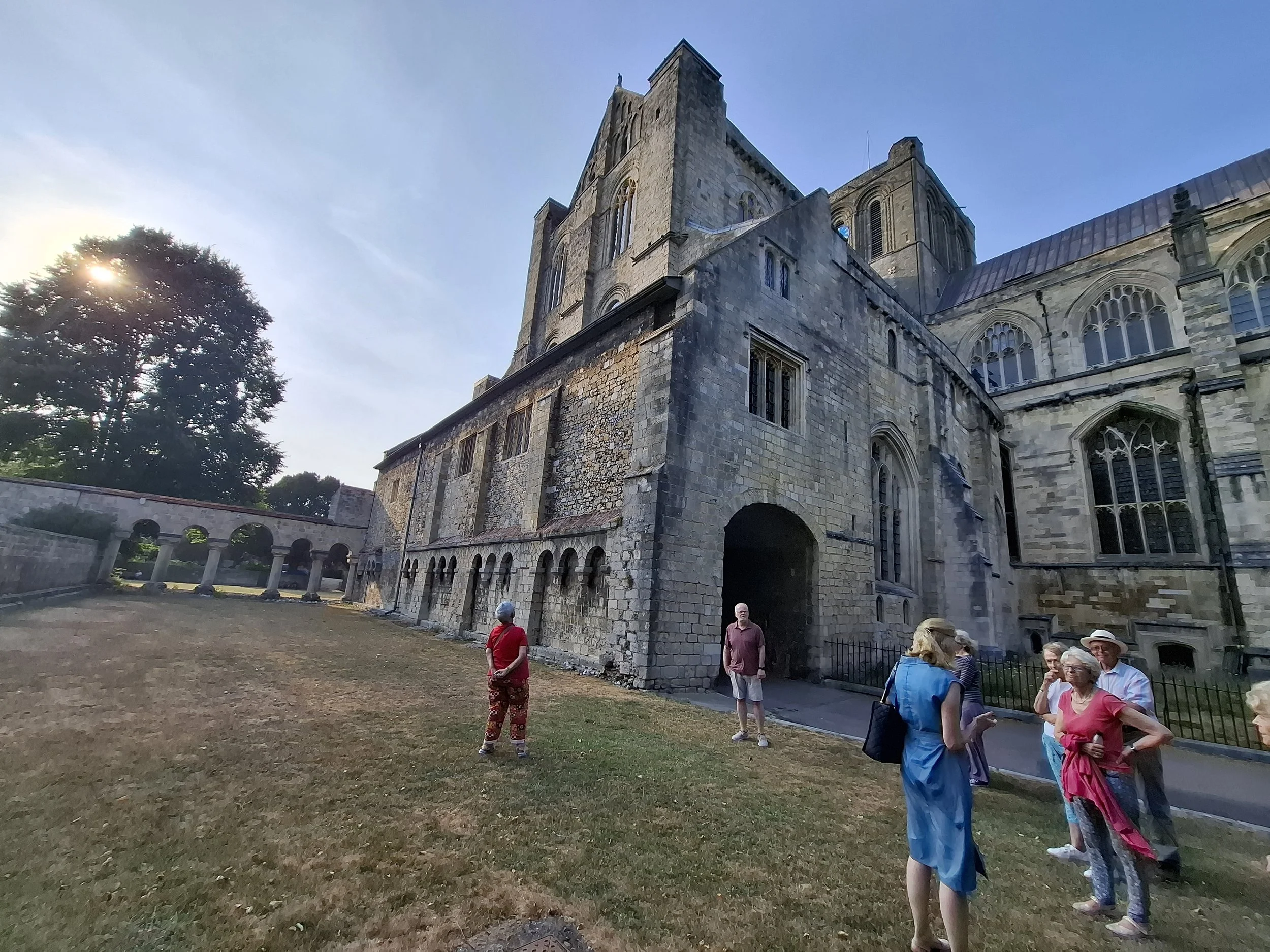
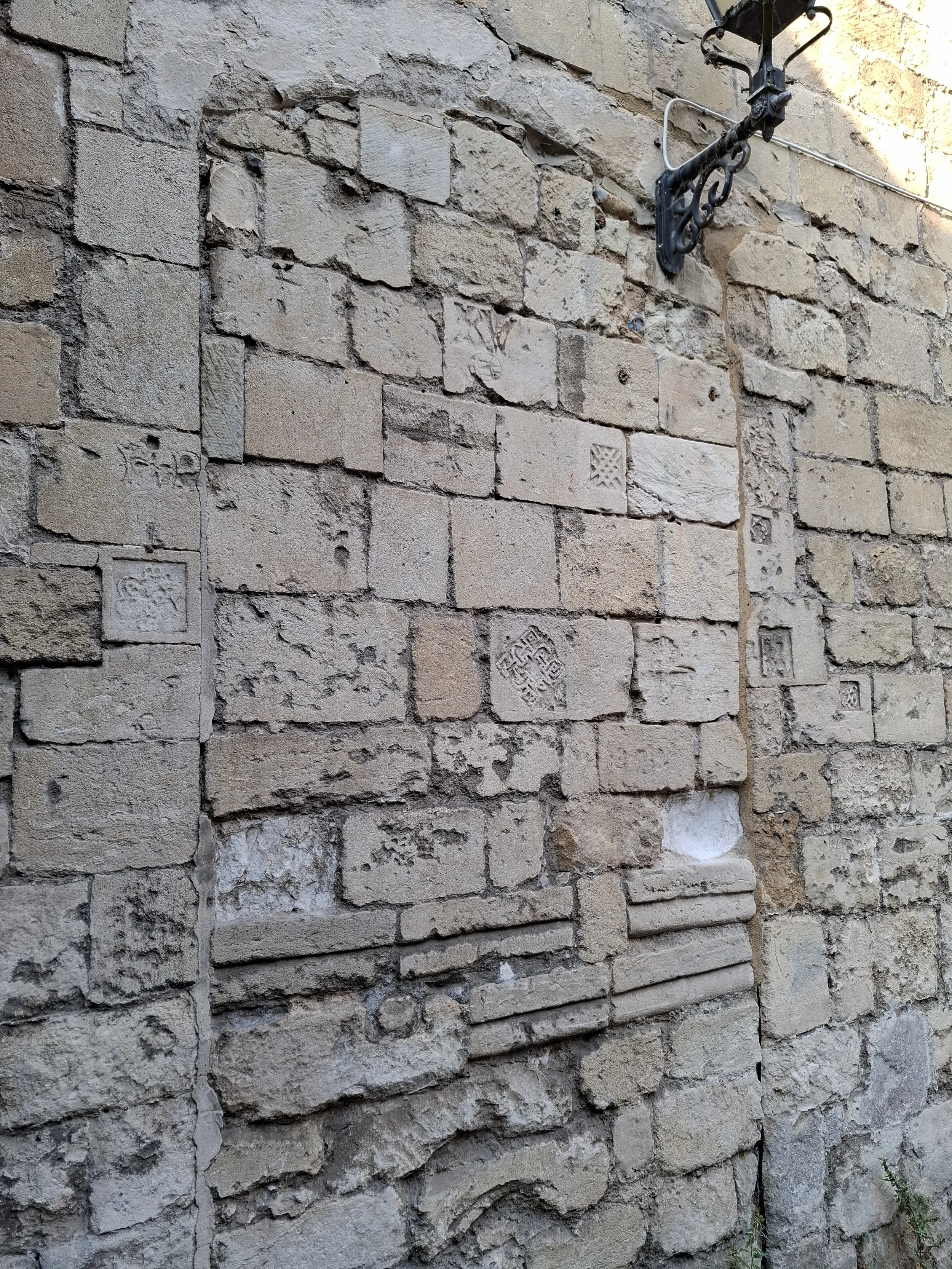
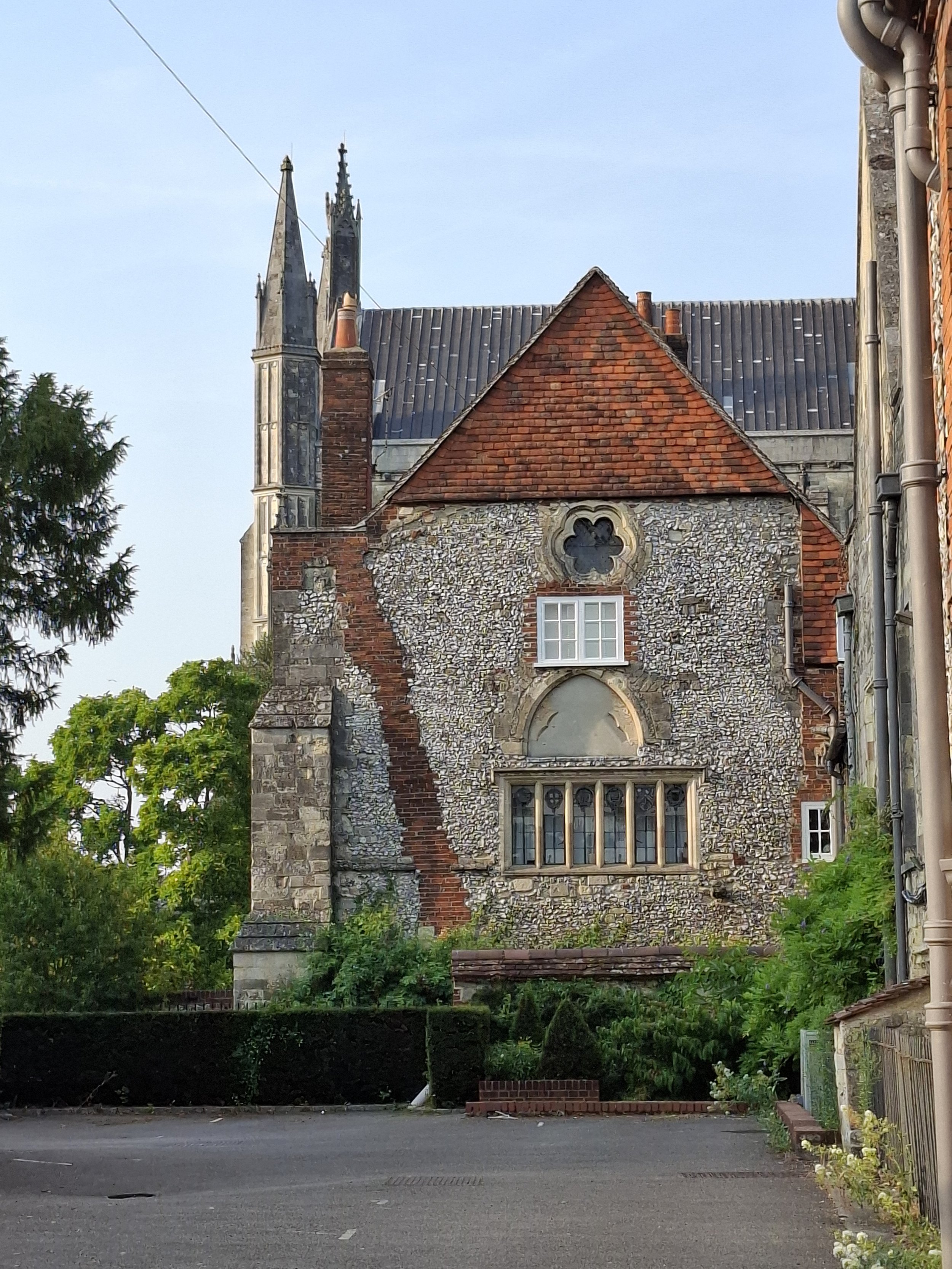
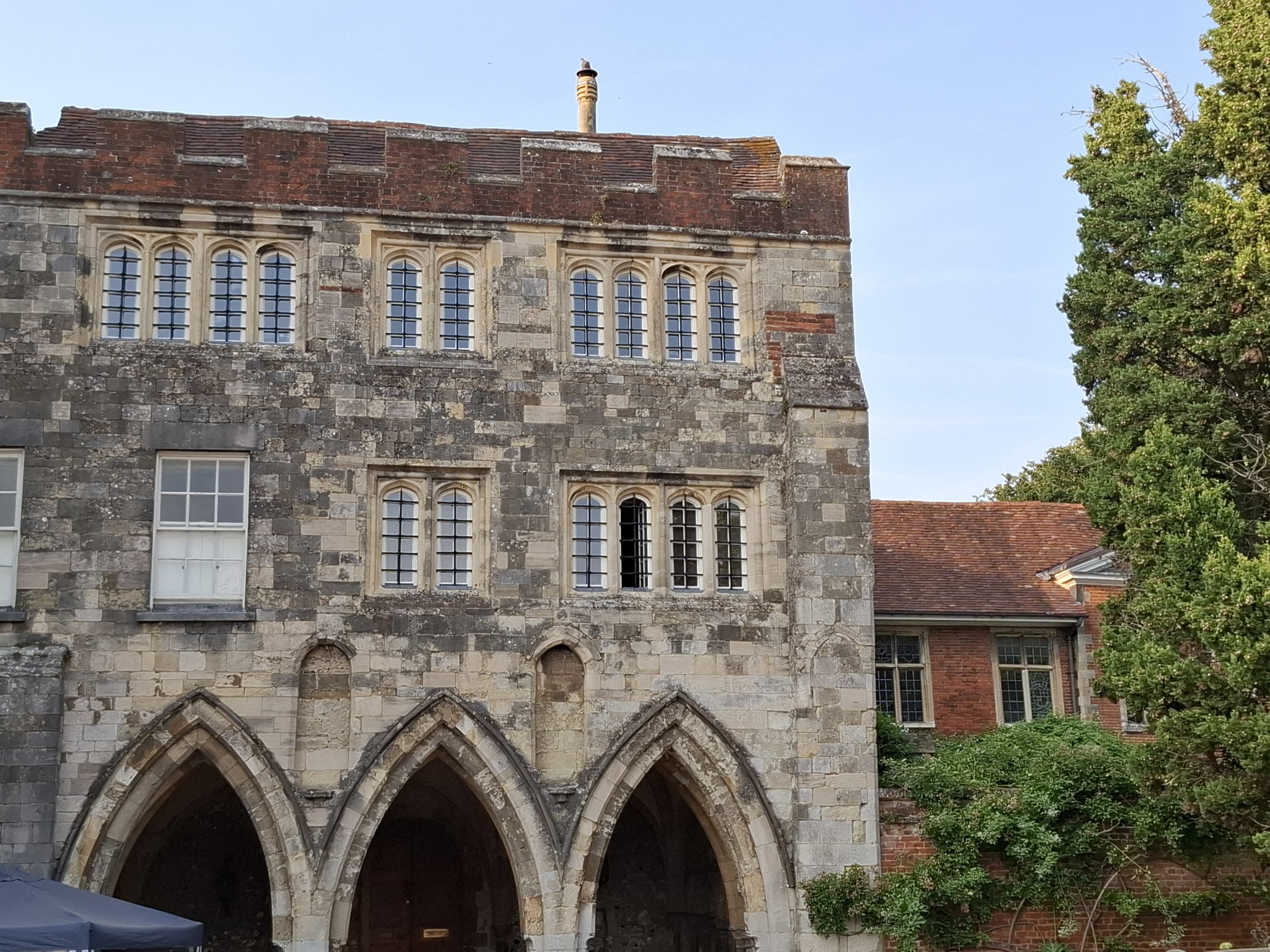
She explained how the Reformation and Civil War had impacted on the Cathedral and its Inner Close, which originally included the main cloister of St Swithun's Priory, off which lay the monks' dormitory and Chapter House. These were pulled down (except for the 11th century Arcade of Chapter House) by the overzealous Reformist Bishop Horne in the 16th century.
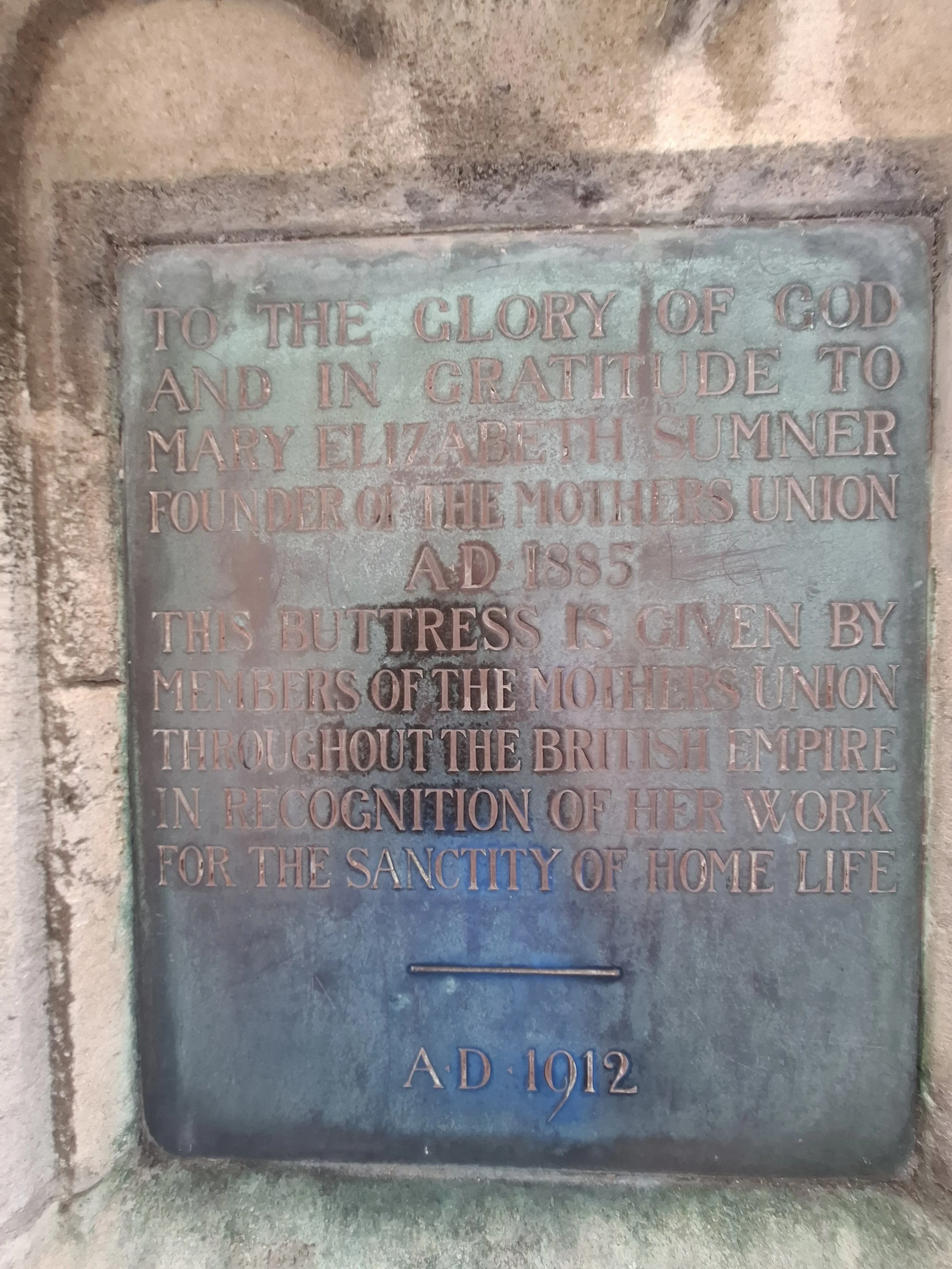
Access to the Close was then opened up to the general public via the side passageway along the Cathedral wall (with the Cathedral doors blocked up to prevent access to the Close from the Cathedral). The flying buttresses were added only in 1912, funded by Mary Sumner (wife of Bishop Sumner) and the Mothers’ Union (see photos of plaque).
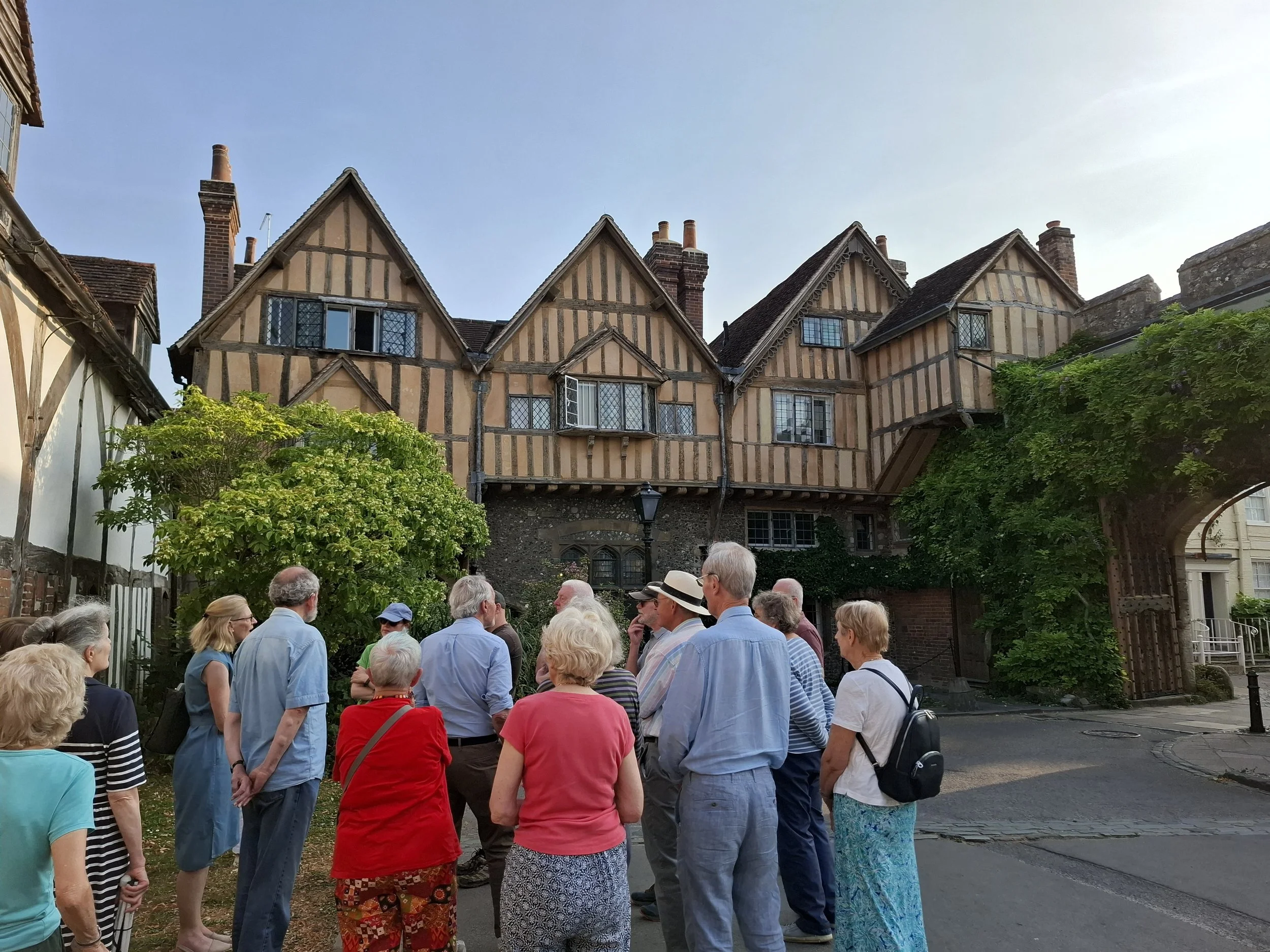
We saw other significant historic buildings in the Close, such as the Deanery (13th century Prior’s lodging) with its vaulted stone porch, the Pilgrims' Hall (1308) now the hall of the Pilgrims' School and the 15th century timbered Cheyney Court and Porter's Lodge and the Prior's Gate which had been the main entrance to the Inner Close.
We also saw Dome Alley with its 17th century residences for post-Reformation Deans and Canons of Cathedral.
Most of the other buildings in the Close belong to the Cathedral, such as the 17th century Cathedral Office. Others are rented out, such as 11, The Close, a handsome house and garden (near the side passageway to the Close) where Jane Austen stayed with her friends, the Bigg sisters.
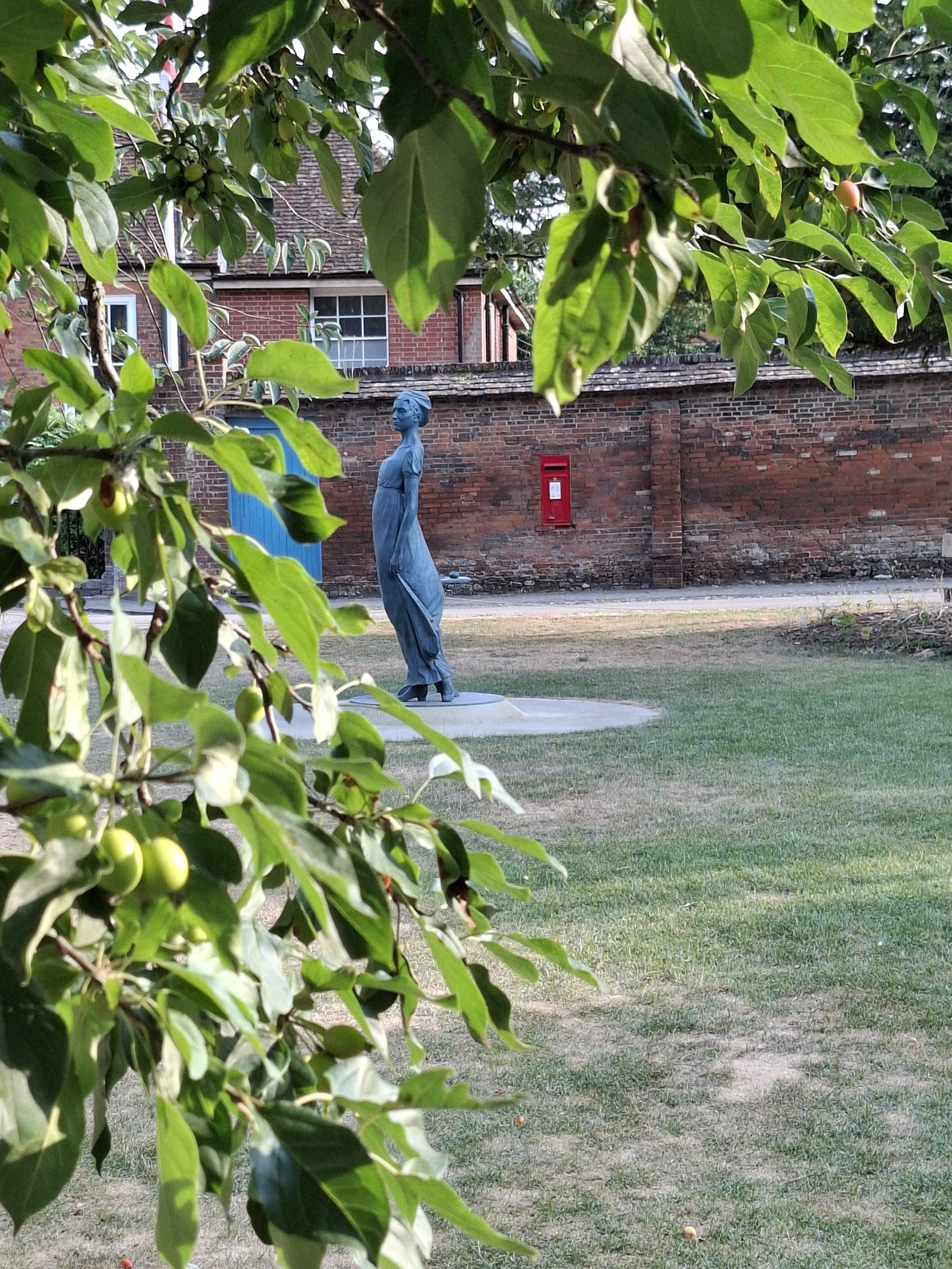
We also passed Jane Austen's recently erected statue on lawn in front of the Cathedral Office and the Judges' Lodging (late 17th century).